
Tokyo salone
NOURISH
STORIES
Opinion
Old dog, new tricks
Written by David Campbell / Edited by Ana Arriola-Kanada
“Everybody has a plan until they get punched in the face.”
— Mike Tyson
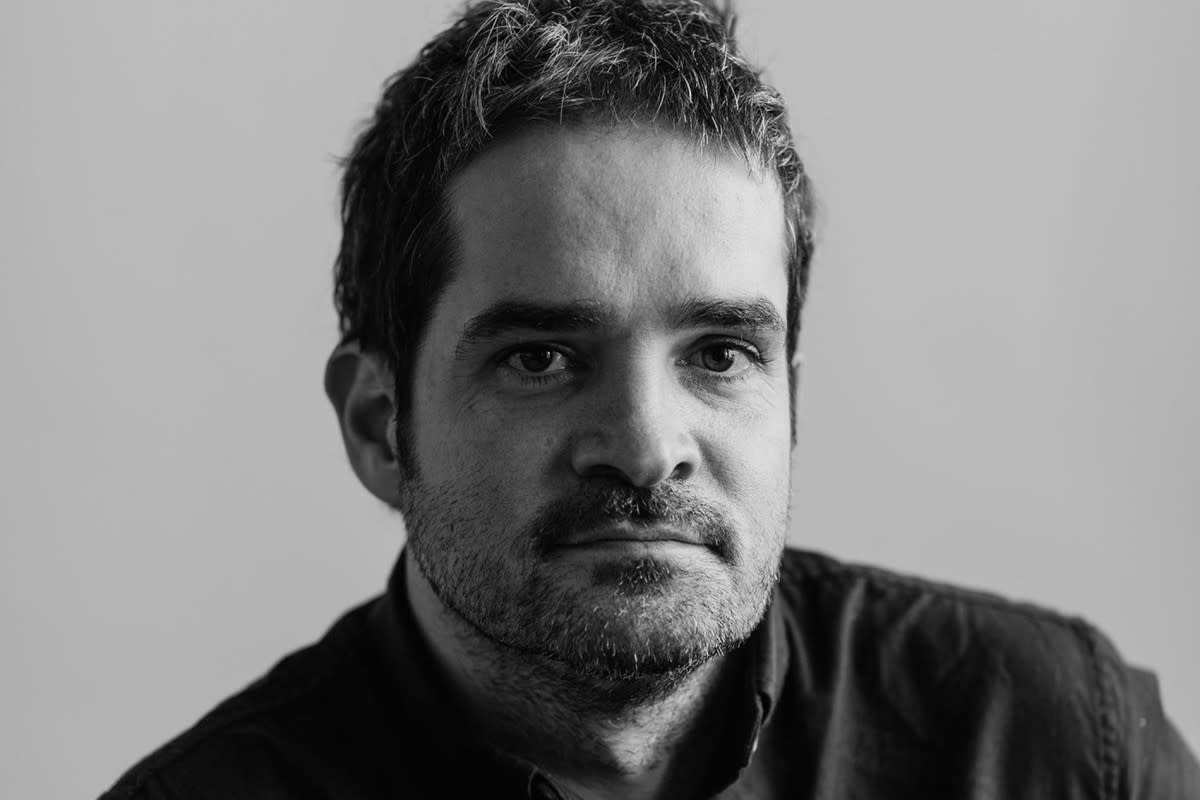
David Campbell is a creative director and designer based in Lutruwita, Tasmania. He writes with the kind of honesty that does not ask permission. It simply tells the truth, gently, then leaves you with the responsibility of what you do next.
Creatives are good at making things. That is the job. We are also, quietly and constantly, good at destroying things too.
A new post replaces the last post. A new site renders the old one obsolete. A new movement remixes fashion and music by knocking something else off the shelf. Culture moves in a loop of creation and collapse, and each shift demands an answer, then another, then another.
And yet, if you stay in the work long enough, you notice something almost comforting. The “new” rarely arrives from nowhere. It arrives as recombination. A haircut from 25 years ago. A typeface pulled from the 1800s, reborn as last year’s texture du jour. A beat borrowed from one dance culture, a synth from another, fused into something that would confuse, and probably horrify, the originals. This is not a flaw. This is how culture has always breathed, by borrowing, misremembering, and making fresh meaning from familiar parts.
But here is the harder confession. We do not just make things, we make problems.
We talk about environmental responsibility while operating within an economy of overconsumption. We ship software that breaks other software. We over-brand until language becomes noise. We build AI systems that consume staggering amounts of energy, and we comfort ourselves by pointing at the rough edges, the famously awkward hands, as if the last five years have not already taught us how quickly the “limitations” evaporate. Hands will not be the issue for long. They are already not the point.
As the problems evolve, the needs of creation evolve with them. More and more, the work becomes judgment.
Judgment is not aesthetic taste alone. It is the practiced ability to decide what matters, what does not, what must be protected, and what must be thrown away. It is knowing when a new combination creates meaning, and when it is simply producing garbage faster. It is learning how to engage critically with the conditions you have, not the conditions you wish you had. It is learning when to call bullshit, including on ourselves.
In his darker moods, David jokes that creative work is made of about nine tricks. If you can master four, you can recombine them forever. He is not entirely wrong.
AI becomes one of those tricks, not as a savior, but as a tool. Community becomes another, because the right voices, invited early and often, are one of the best defenses we have against the mountain of bullshit rushing toward us. And yes, learning how to destroy things may become its own craft, because when everyone is polishing for perfection, the quickest way to reveal truth is sometimes to let something be a little ugly.
Maybe our future depends first on learning to listen, deeply and without performance. And second, on holding the stubborn belief that there are still a few things we can do better than anyone else. It’s a slightly pathological mindset. It’s also the job description.
“Find out who you are and (then) do it on purpose.” — Dolly Parton
And then there is language, the big one. We have been cheerleaders for too long.
We sell the profession as if it is always clean, always confident, always inspired. We lie a little to the audience, and sometimes a lot to ourselves. We use “impact” to mean “approval.” We talk about “innovation” when we mean “more.” We talk about “purpose” when we mean “a deck that lands.”
David remembers speaking with an older designer at university. What stayed with him was not the myth of creative glory. It was the plain truth of the work.
Frustration. The constant need to prove yourself. Clients. Deadlines. Imposter syndrome. The grind that no one puts on the poster.
And yet, threaded through it all, there was quiet pride. Rare, real joy when something is good. The time and effort it takes to do it properly. The dignity of care. The possible rewards, not always financial, but human, of taking the work seriously.
It seemed like a worthy goal then. It feels even more so now.
constellations
SHIBUYA
SPECULATIVE FUTURES
NIGHTSHIFT SHAKEDOWN
FRIENDS OF
FUTURE OF
THIRDSPACE THIRDWEEKS
MOMENTS
held in sound


COLLECTIVE
yes,
Legal
Commercial Disclosure
Code of Conduct
privacy policy
Liability & Risk
Media Release
subscribe


© Semi Permanent / TOKYO SALONE

Tokyo salone
NOURISH
stories
Opinion
Old dog, new tricks
Written by David Campbell / Edited by Ana Arriola-Kanada
“Everybody has a plan until they get punched in the face.”
— Mike Tyson
David Campbell is a creative director and designer based in Lutruwita, Tasmania. He writes with the kind of honesty that does not ask permission. It simply tells the truth, gently, then leaves you with the responsibility of what you do next.
Creatives are good at making things. That is the job. We are also, quietly and constantly, good at destroying things too.
A new post replaces the last post. A new site renders the old one obsolete. A new movement remixes fashion and music by knocking something else off the shelf. Culture moves in a loop of creation and collapse, and each shift demands an answer, then another, then another.
And yet, if you stay in the work long enough, you notice something almost comforting. The “new” rarely arrives from nowhere. It arrives as recombination. A haircut from 25 years ago. A typeface pulled from the 1800s, reborn as last year’s texture du jour. A beat borrowed from one dance culture, a synth from another, fused into something that would confuse, and probably horrify, the originals. This is not a flaw. This is how culture has always breathed, by borrowing, misremembering, and making fresh meaning from familiar parts.
But here is the harder confession. We do not just make things, we make problems.
We talk about environmental responsibility while operating within an economy of overconsumption. We ship software that breaks other software. We over-brand until language becomes noise. We build AI systems that consume staggering amounts of energy, and we comfort ourselves by pointing at the rough edges, the famously awkward hands, as if the last five years have not already taught us how quickly the “limitations” evaporate. Hands will not be the issue for long. They are already not the point.
As the problems evolve, the needs of creation evolve with them. More and more, the work becomes judgment.
Judgment is not aesthetic taste alone. It is the practiced ability to decide what matters, what does not, what must be protected, and what must be thrown away. It is knowing when a new combination creates meaning, and when it is simply producing garbage faster. It is learning how to engage critically with the conditions you have, not the conditions you wish you had. It is learning when to call bullshit, including on ourselves.
In his darker moods, David jokes that creative work is made of about nine tricks. If you can master four, you can recombine them forever. He is not entirely wrong.
AI becomes one of those tricks, not as a savior, but as a tool. Community becomes another, because the right voices, invited early and often, are one of the best defenses we have against the mountain of bullshit rushing toward us. And yes, learning how to destroy things may become its own craft, because when everyone is polishing for perfection, the quickest way to reveal truth is sometimes to let something be a little ugly.
Maybe our future depends first on learning to listen, deeply and without performance. And second, on holding the stubborn belief that there are still a few things we can do better than anyone else. It’s a slightly pathological mindset. It’s also the job description.
“Find out who you are and (then) do it on purpose.” — Dolly Parton
And then there is language, the big one. We have been cheerleaders for too long.
We sell the profession as if it is always clean, always confident, always inspired. We lie a little to the audience, and sometimes a lot to ourselves. We use “impact” to mean “approval.” We talk about “innovation” when we mean “more.” We talk about “purpose” when we mean “a deck that lands.”
David remembers speaking with an older designer at university. What stayed with him was not the myth of creative glory. It was the plain truth of the work.
Frustration. The constant need to prove yourself. Clients. Deadlines. Imposter syndrome. The grind that no one puts on the poster.
And yet, threaded through it all, there was quiet pride. Rare, real joy when something is good. The time and effort it takes to do it properly. The dignity of care. The possible rewards, not always financial, but human, of taking the work seriously.
It seemed like a worthy goal then. It feels even more so now.
constellations
SHIBUYA
SPECULATIVE FUTURES
NIGHTSHIFT SHAKEDOWN
FRIENDS OF
FUTURE OF
THIRDSPACE THIRDWEEKS
MOMENTS
held in sound
COLLECTIVE
yes,
Legal
Commercial Disclosure
Code of Conduct
privacy policy
Liability & Risk
Media Release
subscribe


© Semi Permanent / TOKYO SALONE
Tokyo salone
NOURISH
stories
Opinion
Old dog, new tricks
Written by David Campbell / Edited by Ana Arriola-Kanada
“Everybody has a plan until they get punched in the face.”
— Mike Tyson
David Campbell is a creative director and designer based in Lutruwita, Tasmania. He writes with the kind of honesty that does not ask permission. It simply tells the truth, gently, then leaves you with the responsibility of what you do next.
Creatives are good at making things. That is the job. We are also, quietly and constantly, good at destroying things too.
A new post replaces the last post. A new site renders the old one obsolete. A new movement remixes fashion and music by knocking something else off the shelf. Culture moves in a loop of creation and collapse, and each shift demands an answer, then another, then another.
And yet, if you stay in the work long enough, you notice something almost comforting. The “new” rarely arrives from nowhere. It arrives as recombination. A haircut from 25 years ago. A typeface pulled from the 1800s, reborn as last year’s texture du jour. A beat borrowed from one dance culture, a synth from another, fused into something that would confuse, and probably horrify, the originals. This is not a flaw. This is how culture has always breathed, by borrowing, misremembering, and making fresh meaning from familiar parts.
But here is the harder confession. We do not just make things, we make problems.
We talk about environmental responsibility while operating within an economy of overconsumption. We ship software that breaks other software. We over-brand until language becomes noise. We build AI systems that consume staggering amounts of energy, and we comfort ourselves by pointing at the rough edges, the famously awkward hands, as if the last five years have not already taught us how quickly the “limitations” evaporate. Hands will not be the issue for long. They are already not the point.
As the problems evolve, the needs of creation evolve with them. More and more, the work becomes judgment.
Judgment is not aesthetic taste alone. It is the practiced ability to decide what matters, what does not, what must be protected, and what must be thrown away. It is knowing when a new combination creates meaning, and when it is simply producing garbage faster. It is learning how to engage critically with the conditions you have, not the conditions you wish you had. It is learning when to call bullshit, including on ourselves.
In his darker moods, David jokes that creative work is made of about nine tricks. If you can master four, you can recombine them forever. He is not entirely wrong.
AI becomes one of those tricks, not as a savior, but as a tool. Community becomes another, because the right voices, invited early and often, are one of the best defenses we have against the mountain of bullshit rushing toward us. And yes, learning how to destroy things may become its own craft, because when everyone is polishing for perfection, the quickest way to reveal truth is sometimes to let something be a little ugly.
Maybe our future depends first on learning to listen, deeply and without performance. And second, on holding the stubborn belief that there are still a few things we can do better than anyone else. It’s a slightly pathological mindset. It’s also the job description.
“Find out who you are and (then) do it on purpose.” — Dolly Parton
And then there is language, the big one. We have been cheerleaders for too long.
We sell the profession as if it is always clean, always confident, always inspired. We lie a little to the audience, and sometimes a lot to ourselves. We use “impact” to mean “approval.” We talk about “innovation” when we mean “more.” We talk about “purpose” when we mean “a deck that lands.”
David remembers speaking with an older designer at university. What stayed with him was not the myth of creative glory. It was the plain truth of the work.
Frustration. The constant need to prove yourself. Clients. Deadlines. Imposter syndrome. The grind that no one puts on the poster.
And yet, threaded through it all, there was quiet pride. Rare, real joy when something is good. The time and effort it takes to do it properly. The dignity of care. The possible rewards, not always financial, but human, of taking the work seriously.
It seemed like a worthy goal then. It feels even more so now.
constellations
SHIBUYA
SPECULATIVE FUTURES
NIGHTSHIFT SHAKEDOWN
FRIENDS OF
FUTURE OF
THIRDSPACE THIRDWEEKS
MOMENTS
held in sound
COLLECTIVE
yes,
Legal
Commercial Disclosure
Code of Conduct
privacy policy
Liability & Risk
Media Release
subscribe















© Semi Permanent / TOKYO SALONE